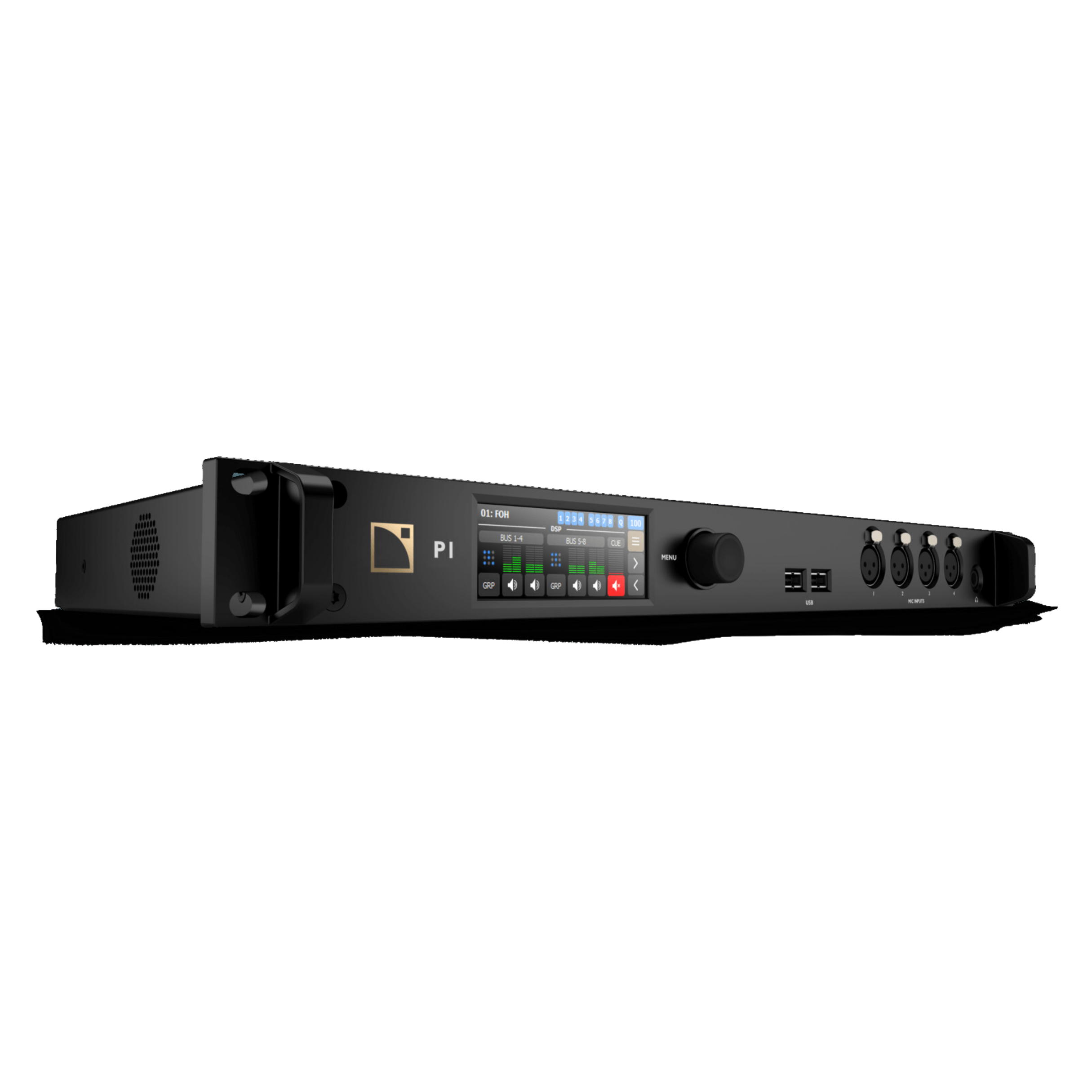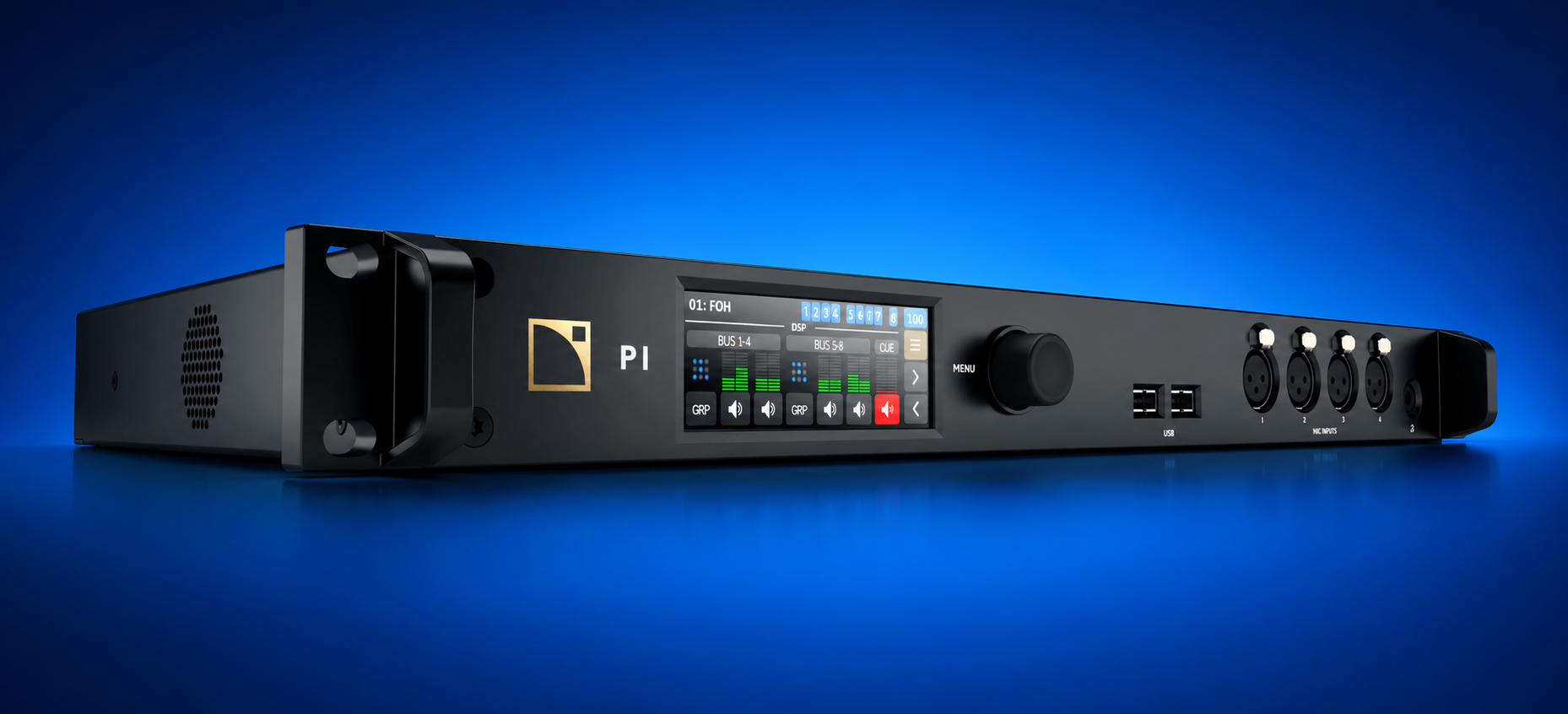
In live event production, reliability and control are everything. As systems become more complex, the need for a centralised, intelligent processing and measurement tool has become essential rather than optional. The L-Acoustics P1 is designed to meet that need.
Rather than acting as just another processor in the signal chain, the P1 operates as the control centre of your entire audio system. It brings together processing, routing, measurement, and system management into one cohesive platform. For production teams, system engineers, and rental houses, this shift is significant. It simplifies workflows, reduces risk, and improves overall show consistency.
This article explores what makes the P1 different, how it fits into modern event environments, and why it is becoming a core part of high level audio systems.
A New Role in the Signal Chain
Traditional system setups often rely on multiple devices to handle processing, tuning, routing, and measurement. This can lead to complex signal paths, increased setup time, and more potential failure points.
The P1 consolidates these roles.
It acts as:
A system processor
A measurement engine
A routing matrix
A network bridge
By combining these functions, it reduces the need for additional outboard gear and allows engineers to work from a single, unified platform. This is particularly valuable in high pressure environments where speed and accuracy matter.
For teams working with full L-Acoustics systems, this integration becomes even more powerful when paired with software like Soundvision and LA Network Manager. It creates a seamless workflow from system design through to deployment and tuning.
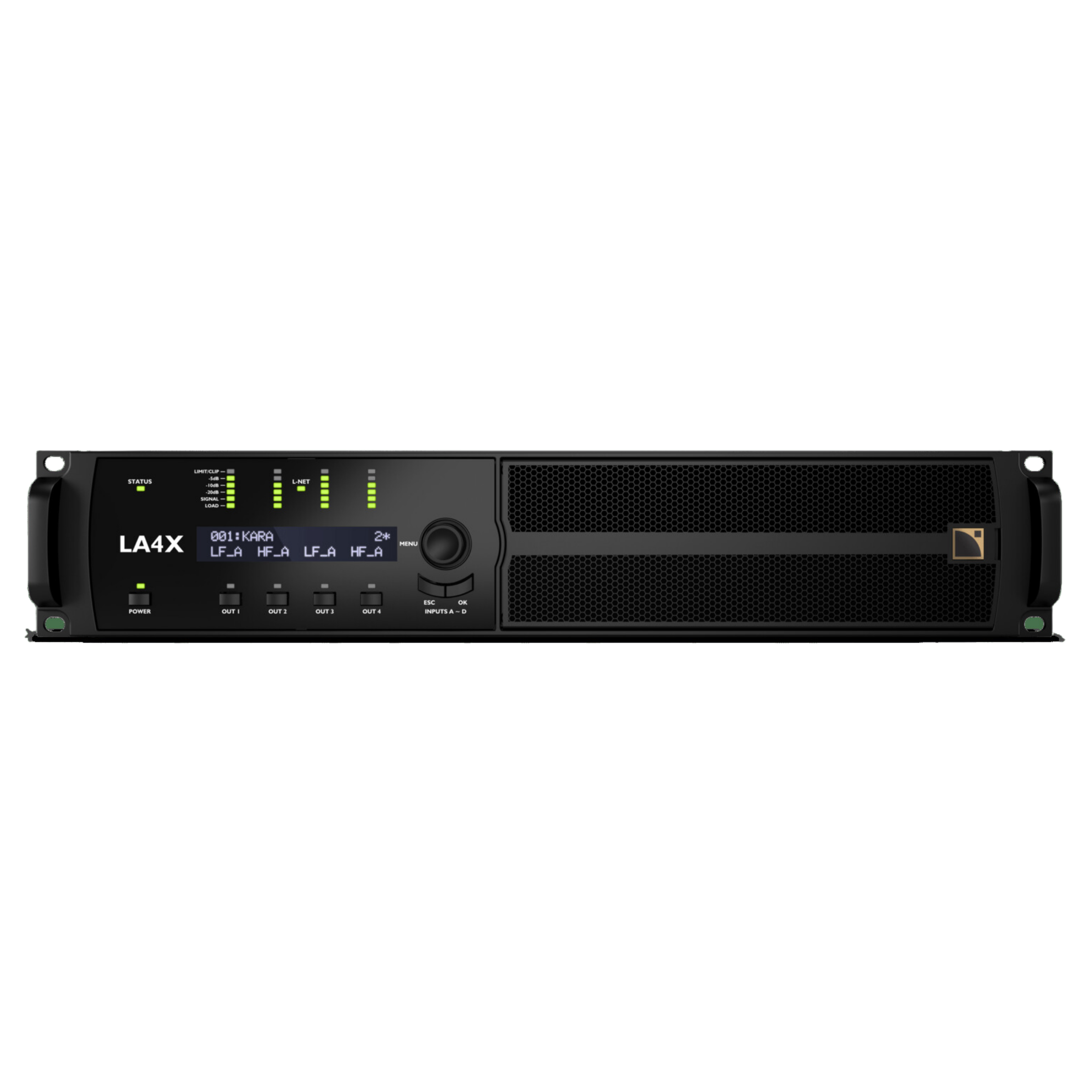
If you are planning a system build or upgrading your current setup, it is worth exploring how integrated processing fits alongside your existing inventory such as the L-Acoustics LA4X or similar amplification platforms.
Precision Through Integrated Measurement
One of the standout features of the P1 is its built in measurement capabilities. Traditionally, engineers rely on external measurement software and interfaces to tune a system. While effective, this adds layers of complexity.
The P1 changes that.
It includes a fully integrated measurement engine that allows engineers to:
Analyse system performance in real time
Align phase and time across arrays
Optimise tonal balance across the venue
Identify issues quickly during setup
Because measurement is built directly into the processor, there is no need to manage additional hardware or software connections. This reduces setup time and helps maintain consistency across events.
For touring productions or fast turnaround corporate events, this level of integration can make a noticeable difference. It allows engineers to focus more on the result and less on managing tools.
Designed for Modern Event Workflows
Event production has evolved. Systems are no longer isolated setups. They are interconnected networks that include audio, video, lighting, and control systems.
The P1 is designed with this reality in mind.
It supports advanced networking capabilities, allowing it to function as a bridge between different protocols and systems. This makes it easier to integrate audio control into larger production environments.
In practical terms, this means:
Cleaner communication between system components
Easier integration with control networks
Reduced need for additional conversion hardware
For production teams working on large scale events, this flexibility is critical. It ensures that the audio system can adapt to the broader technical ecosystem rather than operating in isolation.
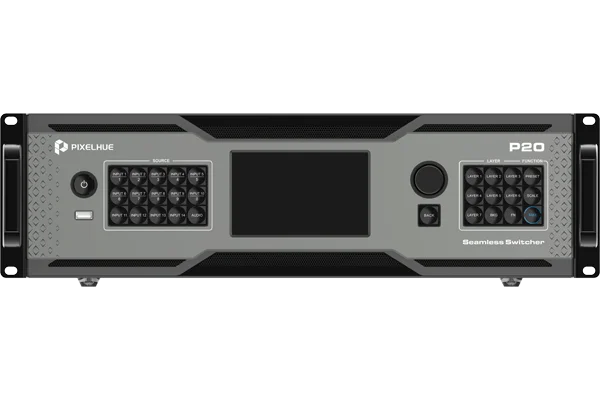
If your workflow includes video processing or LED systems, you may already be familiar with integrated control platforms like the Pixelhue P20. The P1 brings a similar level of centralised control to the audio side of production.
Reliability Where It Matters Most
Live events leave no room for failure. Every piece of equipment in the signal chain must perform consistently under pressure.
The P1 is built with reliability in mind.
By reducing the number of external devices required, it also reduces the number of potential failure points. Fewer connections, fewer interfaces, and fewer devices mean a more stable system overall.
In addition:
The system architecture is designed for redundancy
Signal paths are simplified and easier to manage
Troubleshooting becomes faster and more intuitive
For rental houses and production companies, this translates into fewer on site issues and more predictable outcomes.
At Eagle Production Co., this philosophy aligns with a broader approach to system preparation and quality control. Equipment is not just powered on and checked. It is tested within a full signal chain to ensure performance under real world conditions.
You can learn more about this approach on our audio equipment rental page, where systems are prepared with show ready standards in mind.
Streamlining Setup and Deployment
Time is one of the most valuable resources in event production. Load in schedules are tight, and system deployment needs to be efficient.
The P1 helps streamline this process.
With its centralised control and integrated measurement, engineers can:
Reduce setup time
Minimise configuration errors
Achieve consistent results across different venues
Because the system is designed to work closely with L-Acoustics software tools, much of the setup can be pre planned. This allows teams to arrive on site with a clear roadmap, reducing guesswork and improving efficiency.
For production teams managing multiple events or touring schedules, this consistency is a major advantage.
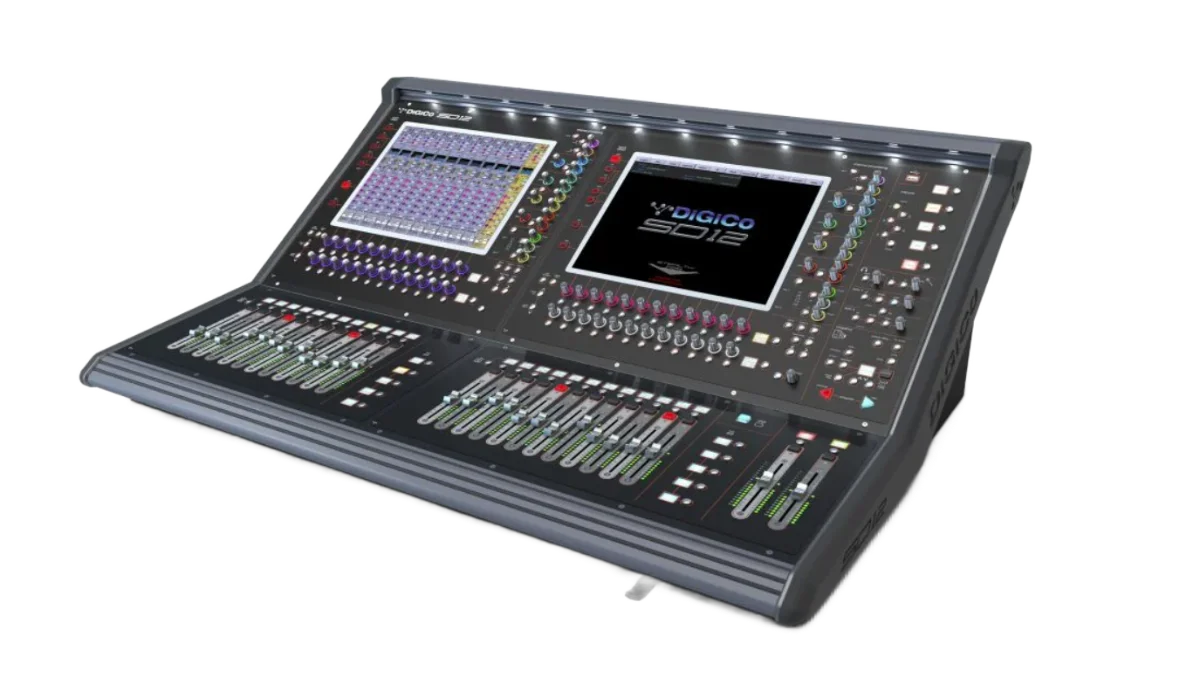
If you are coordinating a full system deployment, it is worth considering how processing tools like the P1 integrate with mixing platforms such as the DiGiCo SD12 to create a cohesive audio workflow.
A Better Experience for System Engineers
Beyond the technical specifications, the P1 improves the day to day experience of system engineers.
It reduces the need to switch between multiple tools and interfaces. Instead, engineers can manage processing, measurement, and routing from a single environment.
This has several benefits:
Less cognitive load during setup
Faster decision making
Improved focus on sound quality
In high pressure environments, this matters. It allows engineers to spend more time refining the system and less time managing equipment.
For newer engineers, it also simplifies the learning curve. Instead of mastering multiple separate tools, they can develop a deeper understanding of a unified system.
Where the P1 Fits in Your Setup
The P1 is not just for large scale touring productions. It is equally valuable in:
Corporate events
Conferences
Broadcast environments
Houses of worship
High end private events
Anywhere that system control, reliability, and efficiency are priorities, the P1 has a role to play.
It is particularly effective when used as part of a complete L-Acoustics ecosystem, but its flexibility also allows it to integrate into mixed brand environments.
For production teams looking to upgrade their systems, the key question is not just what the P1 does, but how it changes the workflow.
It shifts the focus from managing multiple devices to managing a single, integrated system.
Preparing for the Next Generation of Events
As event technology continues to evolve, systems will only become more interconnected. Audio, video, and control networks will continue to merge, and the demand for centralised management will grow.
The P1 is designed for that future.
It provides a foundation for more integrated, more efficient, and more reliable systems. It supports the kind of workflows that modern events require, where speed, flexibility, and precision are essential.
For production companies, adopting tools like the P1 is not just about improving current setups. It is about preparing for what comes next.
If you are exploring ways to enhance your system design or improve your event delivery, take a look at how integrated processing fits into your workflow. You can also browse our full range of solutions on the Eagle Production Co. homepage or explore related gear like the L-Acoustics LA4X and DiGiCo SD12.
Final Thoughts
The L-Acoustics P1 represents a shift in how audio systems are managed. It is not just a processor. It is a central hub that brings together key aspects of system control into one platform.
For engineers, it simplifies workflows.
For production teams, it improves reliability.
For events, it delivers more consistent results.
In an industry where expectations are high and margins for error are low, that combination is valuable.
As systems continue to evolve, tools that prioritise integration and efficiency will play an increasingly important role. The P1 is a strong example of that direction.