L-Acoustics LA-RAK II AVB: A Technical Look at the Touring Rack Built for Serious System Deployment
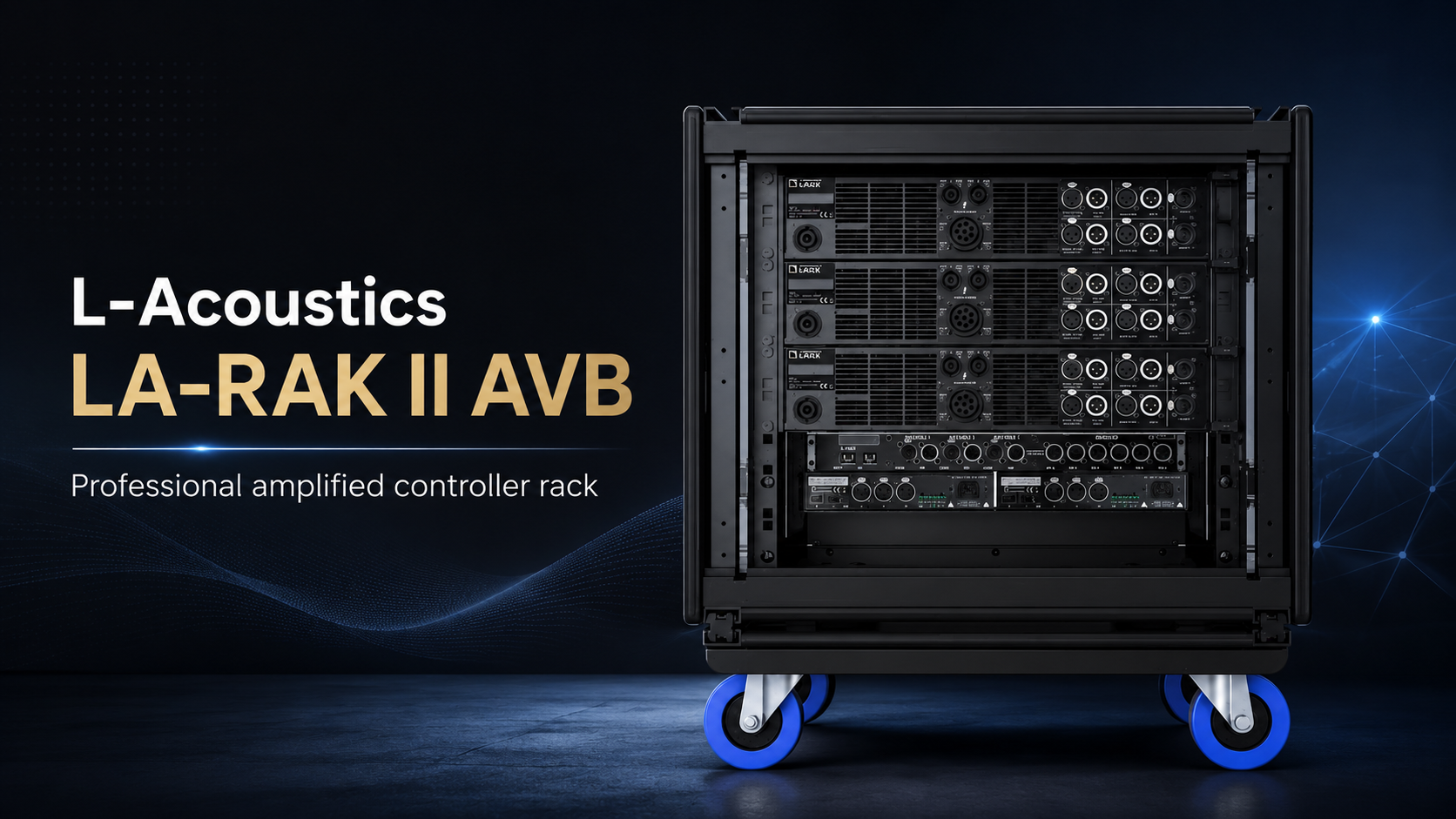
A Rack Designed Around the LA12X Platform
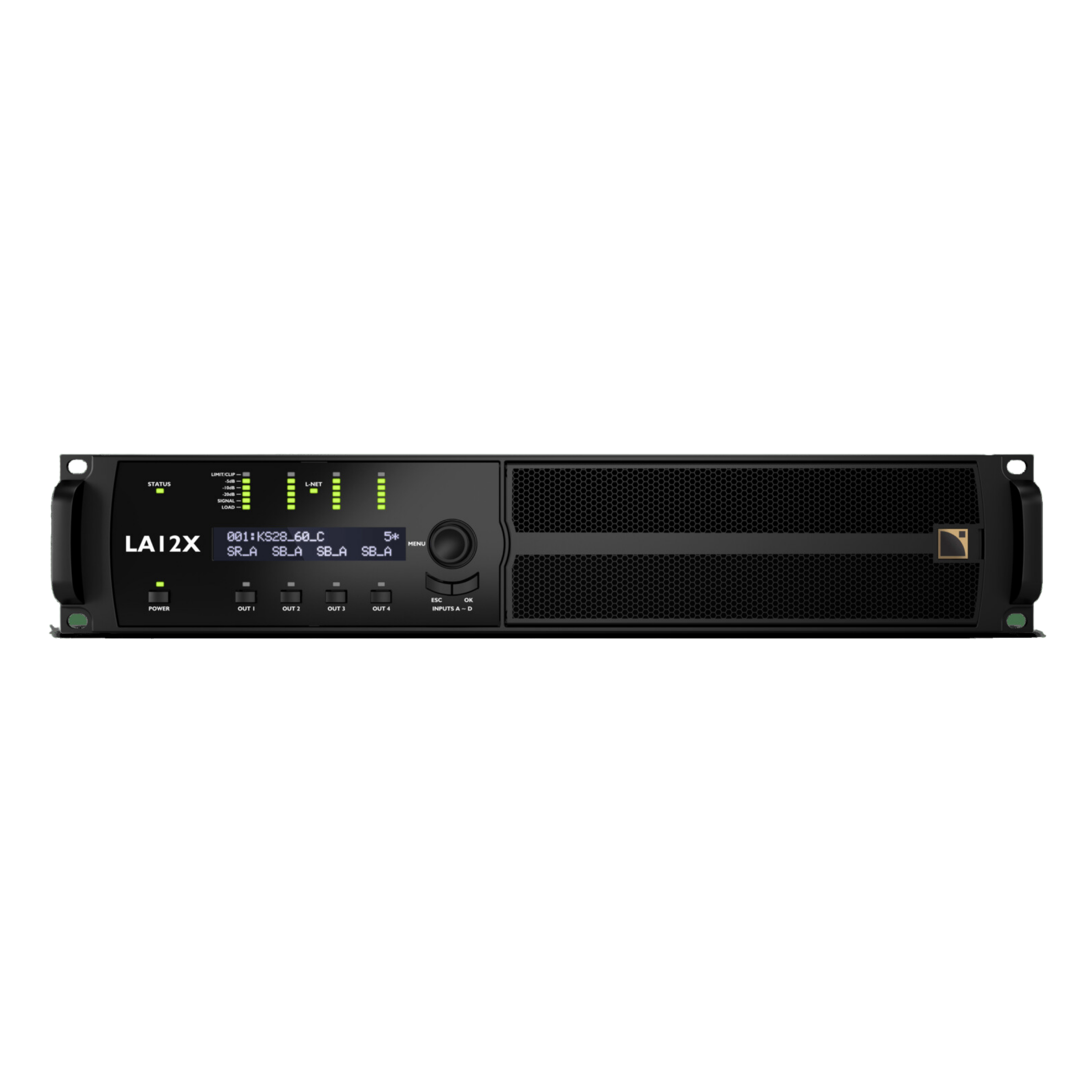
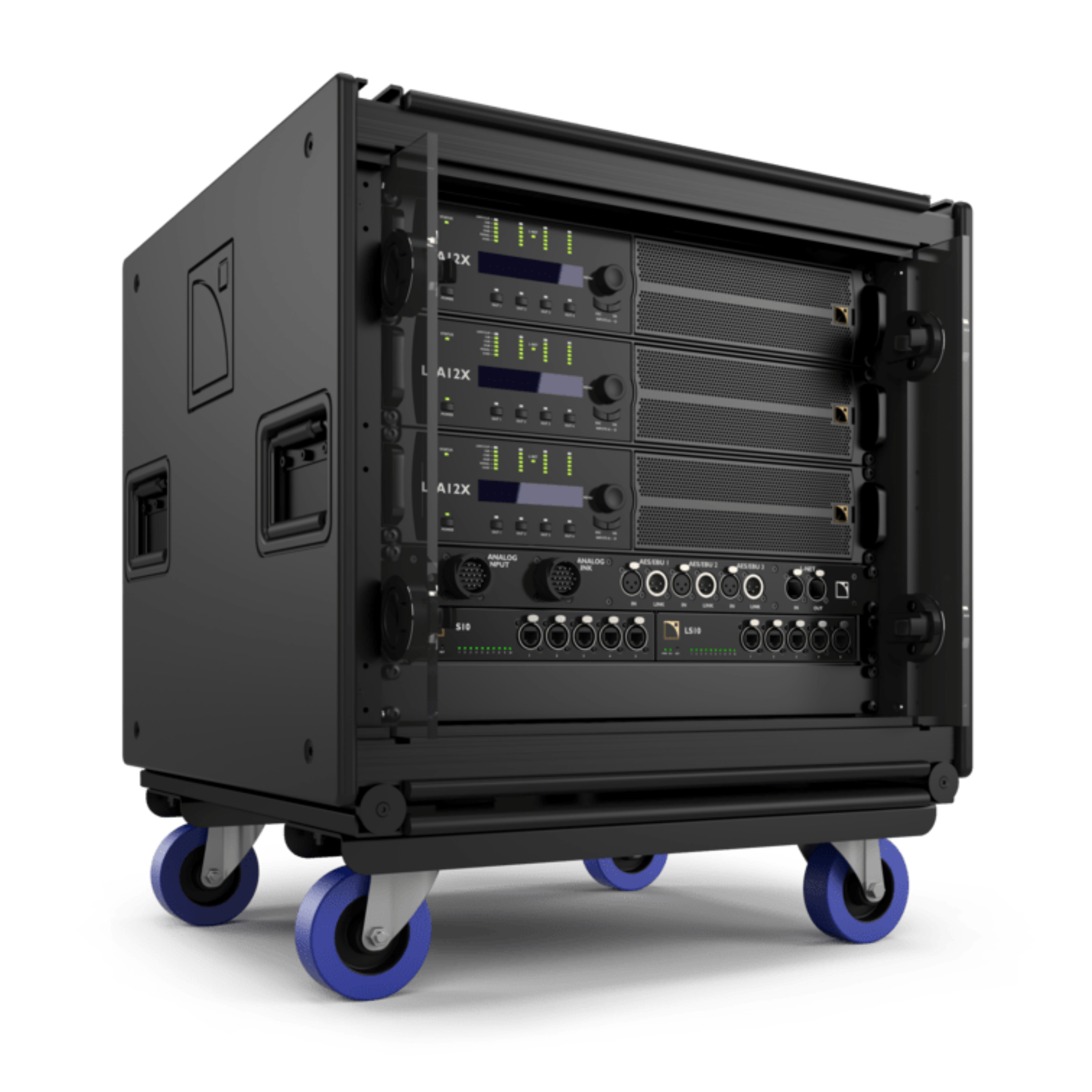
At the core of the LA-RAK II AVB are three LA12X amplified controllers. Each LA12X provides four channels of amplification, giving the rack its full 12-channel architecture. The LA12X is widely used across professional L-Acoustics systems because it combines amplification, DSP, loudspeaker presets, protection, network control, and monitoring into one integrated platform.
From a systems perspective, this matters because it reduces the amount of external processing and patching required. Instead of thinking of the rack as a basic amplifier package, it should be viewed as an intelligent loudspeaker drive system. The LA12X handles the speaker-specific processing that L-Acoustics systems depend on, including preset management, limiter behavior, EQ, routing, delay, and operational monitoring.
For engineers who work regularly with L-Acoustics boxes, this creates a familiar and repeatable workflow. Whether the system is being deployed for a corporate general session, outdoor concert, touring package, festival stage, or high-end private event, the rack gives the system tech a reliable foundation that can be configured and monitored efficiently.
For more audio rental options, you can browse Eagle Production Co.’s full audio rental inventory here: https://eagleproductionco.com/rentals/audio
Why Milan-AVB Matters
The “AVB” in LA-RAK II AVB is not just a branding detail. This rack is designed for modern networked audio workflows and includes Milan-AVB connectivity for digital audio transport and control.
For AV techs, the important point is reliability. Milan is built on AVB/TSN principles and is designed for deterministic, time-sensitive media transport. In plain terms, it gives system designers a more predictable way to move digital audio across a network compared with less structured network environments.
In production, predictability is everything. You want sample-accurate timing, stable clocking, and clear network behavior. When a PA system is being deployed across multiple racks, zones, hangs, or locations, the network becomes part of the audio system’s nervous system. The LA-RAK II AVB is designed to support that kind of infrastructure.
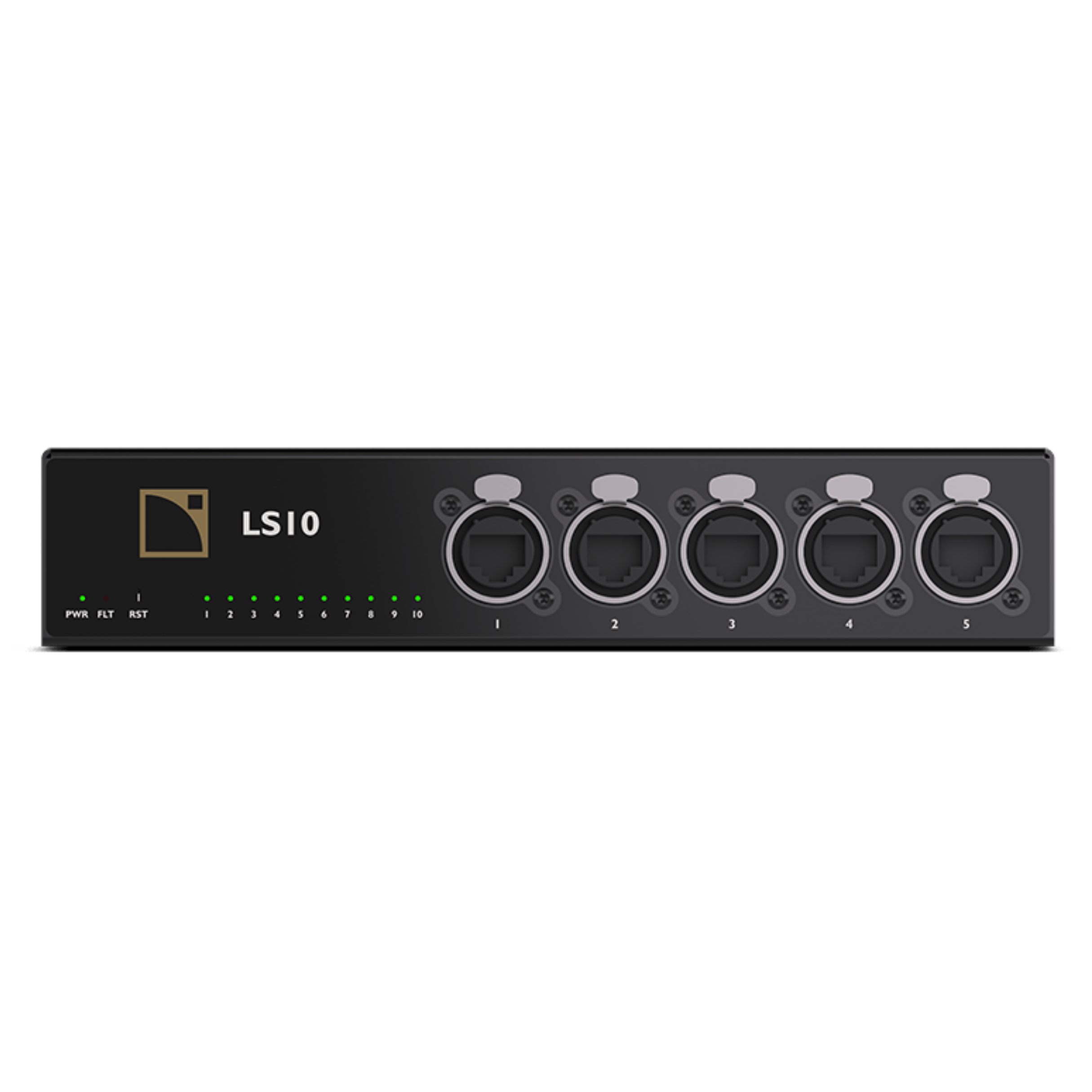
The inclusion of LS10 AVB switches inside the rack also makes the package cleaner from a deployment standpoint. Instead of building a separate network switching solution every time, the rack arrives with AVB switching integrated into the touring package. That reduces setup complexity and helps maintain a standardized signal flow.
Redundancy for Real-World Shows
Any engineer who has worked live events long enough knows that redundancy is not optional. It is the difference between a recoverable fault and a show-critical failure.
The LA-RAK II AVB is designed around redundant networked audio workflows. This allows primary and secondary network paths to be deployed, giving system techs a safety layer if a cable, port, or signal path becomes compromised.
In a clean shop drawing, everything looks perfect. On-site, cables get moved, paths get stressed, FOH gets relocated, racks get split, and patching changes happen under time pressure. Redundancy gives the crew more protection against those realities.
For larger productions, this is especially useful when multiple racks are distributed around a venue. You may have main left/right hangs, subs, front fills, delays, out fills, VIP zones, lobby feeds, or broadcast-related zones all requiring stable signal distribution. A redundant Milan-AVB architecture helps keep the signal path resilient while maintaining digital control and monitoring.
Analog, AES/EBU, and AVB Flexibility
One of the strengths of the LA-RAK II AVB is that it is not locked into a single input format. It supports Milan-AVB, AES/EBU, and analog inputs, which gives engineers flexibility depending on the console package, system design, or event requirements.
That is useful because not every show arrives with the same level of infrastructure. Some productions may be fully networked from console to processor to rack. Others may rely on AES outputs from the console or system processor. Some may still need analog as a fallback, backup, or compatibility path.
For rental environments, that flexibility matters. A dry-hire rack needs to work across different production workflows, different crews, and different venue realities. The LA-RAK II AVB gives engineers multiple ways to integrate the rack into a signal chain without forcing one rigid deployment method.
To explore the broader rental catalog, visit: https://eagleproductionco.com/rentals
Power Density and Deployment Efficiency
The LA-RAK II AVB delivers up to 40,000 W at 2.7 ohms across its 12-channel architecture. That kind of output density is one of the reasons the rack is so useful in touring and event production environments.
High output density means fewer racks may be required for a given system design, depending on the loudspeaker configuration. Fewer racks can mean less truck space, fewer power drops, cleaner backstage layouts, faster load-in, and simpler cable management.
The 9U form factor is also important. Touring racks need to balance power, protection, weight, accessibility, and handling. The LA-RAK II AVB is designed as a flyable touring rack, which makes it practical for professional environments where racks may need to be stacked, moved, transported, and integrated quickly.
For system techs, that standardization is valuable. When racks are consistent, labeled, prewired, and designed around known L-Acoustics architecture, troubleshooting becomes faster. Crews can work from known signal paths and predictable hardware layouts rather than reinventing the drive package every time.
Built for L-Acoustics Ecosystems
The LA-RAK II AVB makes the most sense when viewed as part of a complete L-Acoustics ecosystem. It is not just powering loudspeakers; it is helping maintain the manufacturer’s intended performance, protection, and system behavior.
That matters with premium PA systems because the relationship between loudspeaker presets, amplifier behavior, limiter structure, and system optimization is tightly connected. Using the correct amplified controller platform helps preserve the expected sonic result.
For engineers deploying L-Acoustics systems, this means cleaner integration with system design tools, monitoring workflows, and known tuning practices. It supports the kind of repeatable deployment that professional crews depend on when moving between venues, event types, and system sizes.
Why AV Techs Like This Rack
The LA-RAK II AVB appeals to technical users because it solves several practical problems at once.
It provides high channel count amplification in a compact format. It supports modern Milan-AVB workflows. It includes redundancy. It keeps analog and AES/EBU compatibility available. It is designed around proven LA12X amplified controllers. It also reduces the amount of custom rack-building needed for serious L-Acoustics deployments.
For production companies and AV houses, that makes it a strong rental asset. For system engineers, it means less guesswork and more time focusing on coverage, tuning, deployment, and show execution.
Final Thoughts
The L-Acoustics LA-RAK II AVB is the kind of rack that AV techs appreciate because it is practical, powerful, and built around real production needs. It brings amplification, processing, signal distribution, network redundancy, and touring-ready construction into one standardized package.
For shows where reliability, speed, and sonic consistency matter, this is not just an amplifier rack. It is the backbone of the system.
If you are looking to rent the L-Acoustics LA-RAK II AVB for an upcoming production, you can find the product here: https://eagleproductionco.com/product/l-acoustics-la-rak-ii-avb