AV equipment rental is one of those line items that looks straightforward on a budget spreadsheet and turns out to be anything but. The difference between a great event and a forgettable one usually comes down to whether the audio visual setup actually does its job — and that starts months before show day, with the rental decisions you make.
Whether you're producing a corporate conference, a wedding, a concert, a livestream, or a trade show, this guide covers what AV equipment rental actually involves, what to look for in a supplier, and the questions that separate a reliable rental partner from a stressful one.
What "AV equipment rental" actually covers
The term is broader than most people realise. A genuine AV equipment rental inventory spans four distinct categories, and a good rental house carries depth in all of them rather than thin coverage across one or two.
Audio rentals include line-array speakers, point-source PA systems, subwoofers, mixing consoles (DiGiCo, Yamaha, Midas, Allen & Heath), wireless microphone systems (Shure, Sennheiser), in-ear monitoring, signal processors, and all the cabling that ties them together.
Video rentals cover LED video walls, projectors, projection screens, professional cameras (Blackmagic, Sony, Canon broadcast bodies), video switchers, multiviewers, encoders, and streaming hardware for hybrid events.
Lighting rentals include moving heads, LED wash and beam fixtures, conventional theatrical lights, followspots, hazers and atmospheric effects, and lighting consoles like grandMA3 or ChamSys.
Rigging and power rentals cover truss systems, chain motors, ground support, generators, power distribution, cable ramps, and the certified hardware needed to put any of the above safely in the air.
Most events touch all four. A keynote with a live audience and a livestream needs sound reinforcement, video capture and projection, stage lighting, and the truss to hang it all from. If you're sourcing from four different vendors, you're managing four different points of failure.
Dry rental versus production support
This is the call that most often determines whether your event runs smoothly.
A dry rental is equipment only — you collect, set up, operate, and return. It's the cheapest option and works fine when you have an experienced technical crew. If you're a production company, a touring act, or a venue with in-house staff, dry rentals are usually how you operate.
A fully supported production rental includes the equipment plus the crew to design, install, operate, and strike the system. This is what corporate events, conferences, weddings, and one-off live events almost always need, because the cost of a failure mid-event vastly outweighs the savings on labour.
If you're not sure which fits your event, browse a full equipment rental catalogue to get a sense of scale and gear, then book a consultation to scope crew requirements properly.
How AV equipment rental pricing actually works
Most rental quotes are built from three components: gear, labour, and logistics.
Gear is priced per item per day, with multi-day discounts. A line array might rent at a daily rate, with day two and onward at 50% of day one. Subrentals — items the rental house has to source from another vendor — typically carry a markup.
Labour is priced by crew role and day length. A front-of-house engineer, lighting designer, video tech, and rigger all bill at different rates, and a 14-hour show day costs more than a 10-hour one. Pre-production design time is usually billed separately.
Logistics covers transport, fuel, lodging for crews on multi-day events, and any specialised handling (motorised lifts, scissor jacks, forklifts on-site).
Cheap quotes almost always cut corners on one of these three — usually labour, which is where you don't want corners cut. If a quote is meaningfully lower than competing bids, ask exactly what's been removed.
What to ask before booking AV equipment rental
Five questions separate solid rental partners from risky ones:
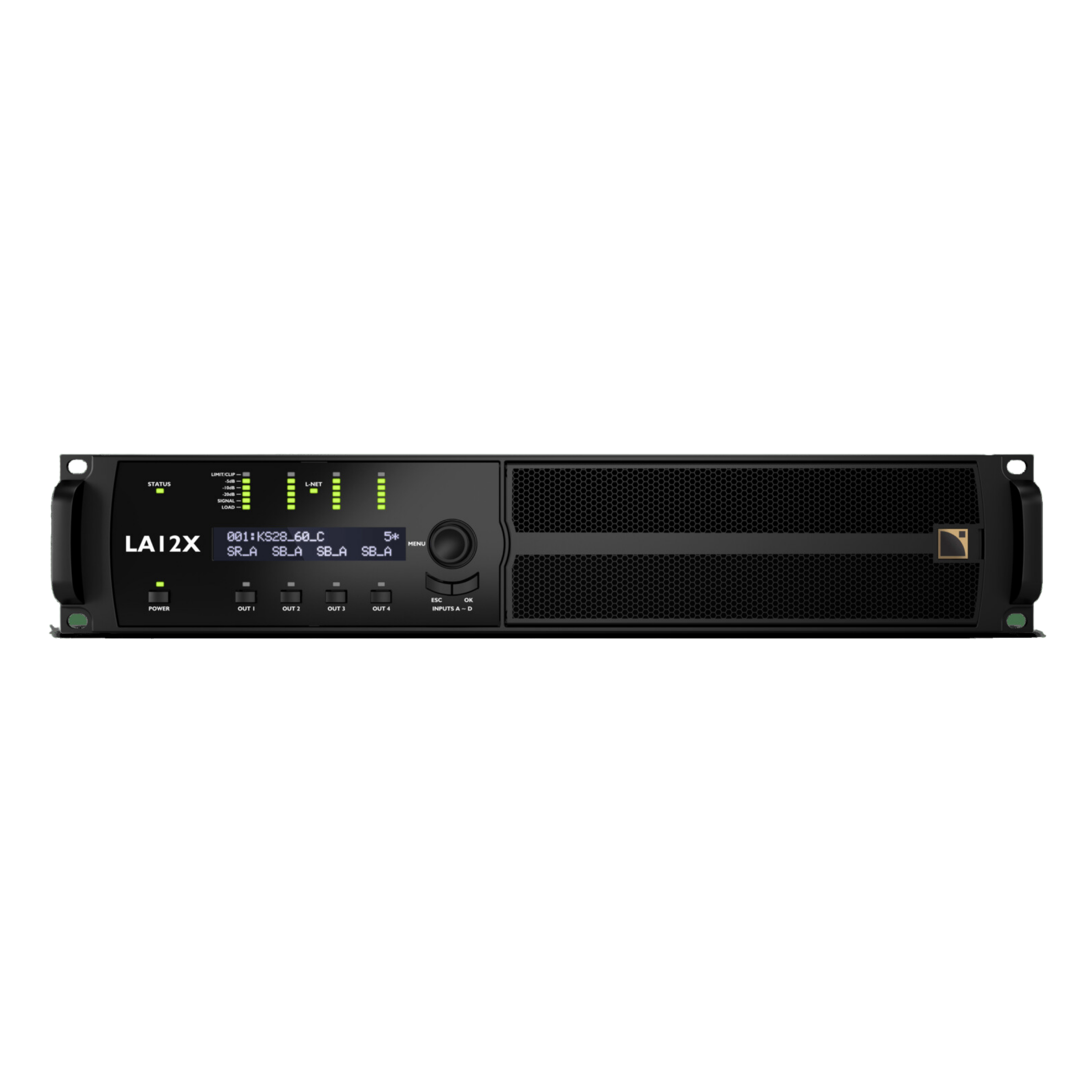
What specific equipment will be on-site. Brand and model, not category. "PA system" is not an answer; "L-Acoustics K2 line array with LA12X amplification" is.
Who's the named technical lead for your event. A real production company assigns a specific FOH engineer, lighting designer, or technical director. Vague "we'll send someone" answers are a warning sign.
Backup plans. What happens if the primary console fails? Wireless mic dropout? Projector lamp failure? Confident vendors have layered redundancy and answer instantly.
Insurance and rigging certification. Anything in the air needs certified hardware and qualified riggers. This is non-negotiable, and reputable rental houses produce documentation without being asked.
References from similar events. A wedding portfolio doesn't tell you much about corporate keynote capability. Ask for case studies in your event category.
When to book AV equipment rental
For peak-season events (May through October, plus December corporate season), book a minimum of 8–12 weeks out. Premium gear — top-tier consoles, large LED walls, specialty cameras — gets reserved fast in major markets like New York, Dallas, DC, and Miami.
Last-minute rentals are possible, but you'll pay rush rates, lose access to first-choice equipment, and have less time for proper pre-production. The rental house's best engineers are usually booked months in advance.
Choose the right AV equipment rental partner
The right partner makes equipment rental boring — gear shows up on time, works first time, and goes home without drama. The wrong one becomes the story of your event.
Look for a vendor who carries genuine inventory depth across all four AV categories, has named senior crew rather than rotating freelancers, can show insurance and certification on request, and provides references from events in your category. If you're scoping a project now, explore the full event production services on offer or get in touch to walk through your requirements before committing to a contract.